Foot Surgery
Comprehensive Treatment for Painful Foot Conditions
Expert foot surgery in Bowral, Goulburn and Campbelltown – helping patients manage chronic pain, deformity, tendon problems, fractures and other conditions affecting the foot.
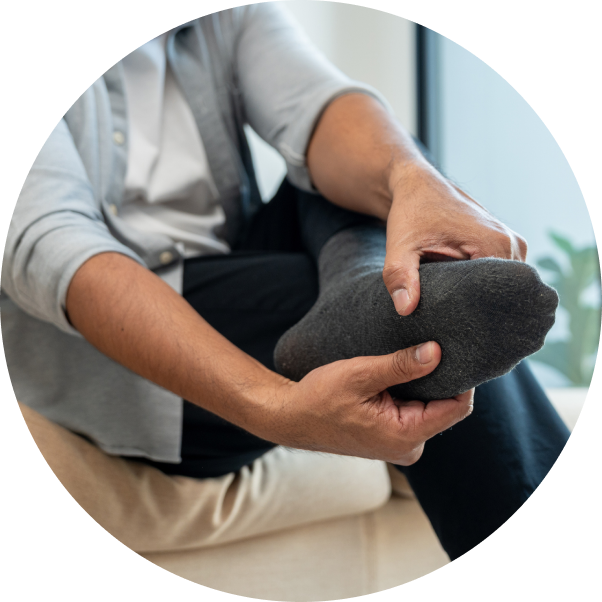

Foot pain can have a major impact on quality of life. Even relatively simple activities such as walking, standing, exercising or wearing normal shoes can become difficult when the foot is painful or not functioning properl
The foot is made up of more than 25 bones, multiple joints, ligaments, tendons and muscles. Because it carries the full weight of the body, even a small problem in the foot can lead to significant discomfort and difficulty with mobility.
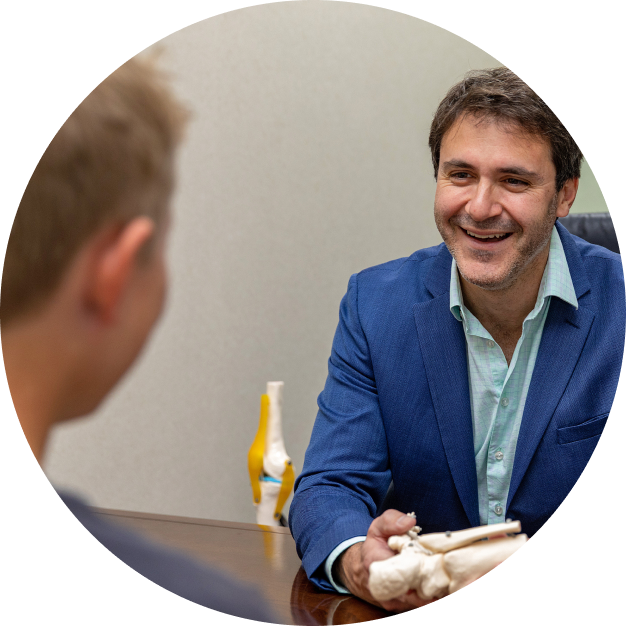
Dr Di Nallo provides comprehensive assessment and treatment for a wide range of foot conditions. He understands that every patient is different, and treatment depends on the severity of symptoms, lifestyle, work requirements and personal goals.
As with all aspects of his practice, Dr Di Nallo takes a conservative approach wherever possible. Many foot conditions can be managed successfully with supportive footwear, orthotics, physiotherapy, activity modification or injections before surgery is considered.
When Might Foot Surgery Be Needed?
Surgery is generally considered when symptoms remain painful or disabling despite non-surgical treatment.
Patients may benefit from foot surgery if they experience:
- Persistent pain
- Difficulty walking
- Progressive deformity
- Problems wearing shoes
- Recurrent injuries
- Numbness or burning pain
- Chronic swelling
- Loss of mobility
- Ongoing symptoms despite conservative care
The most appropriate treatment depends on the exact condition affecting the foot.

Conditions Treated
Hammertoes
Hammertoes occur when one or more of the smaller toes becomes bent or curled.
This can lead to:
- Pain
- Corns
- Calluses
- Difficulty fitting into shoes
- Pressure over the joints
- Cosmetic concerns
Hammertoes often develop gradually and may be associated with bunions, arthritis or muscle imbalance.
Morton’s Neuroma
Morton’s neuroma is a painful condition involving irritation of a nerve between the toes, usually between the third and fourth toes.
Patients often describe:
- Burning pain
- Tingling
- Numbness
- A feeling of walking on a pebble
- Pain that worsens in narrow shoes
Conservative treatment may include wider footwear, padding, orthotics or injections. Surgery may be considered if symptoms persist.
Flat Feet
Flat feet occur when the arch of the foot collapses.
Some people have flat feet without symptoms, while others experience:
- Pain
- Fatigue
- Difficulty walking
- Tendon strain
- Ankle pain
- Progressive deformity
Treatment depends on the severity of the problem and may include orthotics, supportive shoes, physiotherapy or surgery.
High Arches
High arches can place excessive pressure on certain parts of the foot.
This may lead to:
- Foot pain
- Calluses
- Instability
- Recurrent ankle sprains
- Difficulty finding comfortable footwear
Treatment may involve orthotics, supportive footwear or surgery in severe cases.
Plantar Fasciitis
Plantar fasciitis is one of the most common causes of heel pain.
It occurs when the thick band of tissue along the sole of the foot becomes inflamed.
Symptoms often include:
- Sharp pain under the heel
- Worse pain first thing in the morning
- Pain after long periods of standing
- Tenderness under the foot
Most patients improve with stretching, orthotics, shockwave therapy, supportive footwear and PRP injections. Surgery is usually reserved for severe, persistent cases.
Heel Pain
Heel pain can occur for many reasons, including:
- Plantar fasciitis
- Heel spurs
- Tendon problems
- Arthritis
- Nerve irritation or compression
- Stress fractures
Accurate diagnosis is important to ensure the most appropriate treatment.
Achilles Tendon Disorders
The Achilles tendon connects the calf muscles to the heel bone.
Common Achilles tendon problems include:
- Achilles tendinopathy
- Tendon degeneration
- Partial tears
- Inflammation
- Chronic pain
Symptoms often include pain at the back of the heel, stiffness and difficulty with walking or running.
Tendon Injuries
Tendon injuries can affect different parts of the foot and may occur due to sport, overuse, degeneration or trauma.
Common symptoms include:
- Pain
- Weakness
- Swelling
- Difficulty walking
- Loss of movement
Some tendon injuries respond well to physiotherapy and injections, while more severe tears may require surgery.
Foot Arthritis
Arthritis can affect the joints of the foot, leading to:
- Pain
- Swelling
- Stiffness
- Difficulty walking
- Reduced movement
Common types include osteoarthritis, rheumatoid arthritis and post-traumatic arthritis.
Fractures
Foot fractures can occur after falls, sporting injuries, twisting injuries or trauma.
Depending on the location and severity of the fracture, treatment may involve:
- A moon boot
- Crutches
- Immobilisation
- Surgery
Prompt treatment is important to ensure the bones heal in the correct position.
Ingrown Toenails
Ingrown toenails occur when the edge of the nail grows into the surrounding skin.
This can cause:
- Pain
- Swelling
- Infection
- Difficulty wearing shoes
Minor cases may improve with conservative care, while more severe or recurrent cases may require a minor procedure.
Lesser Toe Deformities
The smaller toes can become bent, crowded or misaligned over time.
These deformities may cause:
- Pain
- Corns
- Shoe pressure
- Difficulty walking
- Cosmetic concerns
Treatment depends on the severity of the deformity and the impact on daily life.
Conservative Treatment Before Surgery
Dr Di Nallo believes surgery should only be recommended when appropriate and after reasonable non-surgical treatment has been explored.
Depending on the condition, conservative options may include:
- Supportive footwear
- Orthotics
- Physiotherapy
- Activity modification
- Anti-inflammatory medication
- Stretching exercises
- Padding
- Bracing
- PRP injections
- Shockwave therapy
- Cortisone injections
Many patients improve significantly with these measures and may avoid surgery altogether.
What to Expect After Foot Surgery
Recovery depends on the procedure performed and the underlying condition being treated.
Patients may require:
- A moon boot
- Crutches
- Limited weight-bearing
- Physiotherapy
- Elevation
- Swelling management
- Gradual return to activity
Some minor procedures may allow a relatively quick recovery, while more complex surgery may require several months of rehabilitation.

What To Expect During Your Surgical Journey
Dr Di Nallo believes patients should feel informed, comfortable and supported throughout the entire process.
- Initial Consultation: Dr Di Nallo will assess your symptoms, examine your foot and review any relevant imaging to determine the underlying cause of your pain or functional limitations.
- Imaging And Planning: X-rays, ultrasound, CT scans or MRI scans may be used to assess the bones, joints, tendons and soft tissues of the foot and assist with treatment planning.
- Surgery: When surgery is required, procedures are performed in hospital using modern techniques tailored to the specific condition being treated, whether that involves correcting deformity, repairing tendons, treating arthritis or managing fractures.
- Rehabilitation: Recovery may involve a moon boot, post-operative shoe, physiotherapy and a gradual return to weight-bearing activities. Dr Di Nallo will provide a personalised rehabilitation plan designed to support healing and optimise long-term outcomes.
Why Choose Dr Di Nallo for Foot Surgery?
Dr Di Nallo understands that foot pain can interfere with every aspect of life, from work and exercise through to simple day-to-day activities.
He is known for his approachable, patient-first manner and takes the time to understand each patient’s symptoms, lifestyle and treatment goals. He does not rush patients into surgery and always explores conservative treatment options first.
When surgery is required, Dr Di Nallo provides personalised care and clear advice to help patients make informed decisions about their treatment.
Whether you are experiencing heel pain, tendon problems, arthritis, toe deformities or foot fractures, Dr Di Nallo provides comprehensive foot surgery care for patients with a focus on quality clinical outcomes.