Compartment Syndrome
Expert Assessment and Management of Chronic Exertional Compartment Syndrome.
Comprehensive diagnosis and treatment of chronic compartment syndrome in Bowral and Goulburn – helping active patients return to sport, exercise and daily activities with less pain and improved function.
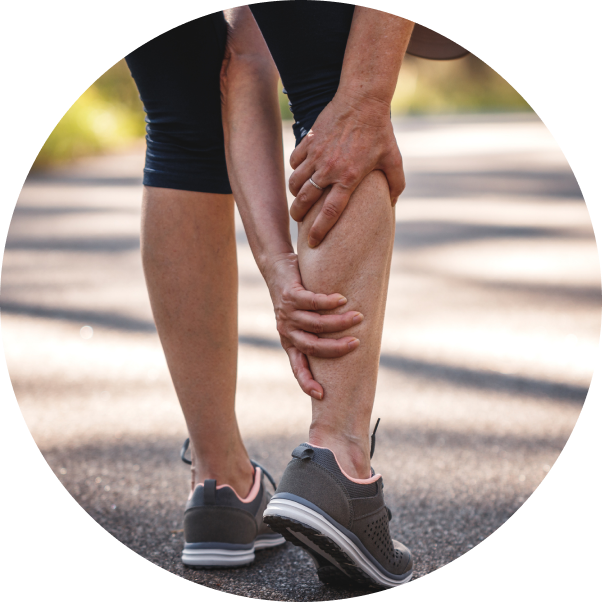

Compartment syndrome is a condition caused by increased pressure within a muscle compartment. Muscle compartments are groups of muscles, nerves and blood vessels surrounded by a strong tissue layer called fascia.
When pressure within a compartment becomes elevated, blood flow to the muscles and nerves can be affected, leading to pain, tightness, weakness and reduced performance.
There are two main types of compartment syndrome:
- Acute compartment syndrome
- Chronic exertional compartment syndrome
While acute compartment syndrome is a surgical emergency treated in hospital, chronic exertional compartment syndrome is a condition that commonly affects runners, athletes and active individuals and may be assessed and managed by an orthopaedic surgeon.
Acute Compartment Syndrome
Acute compartment syndrome most commonly occurs following:
- Fractures
- Crush injuries
- Major trauma
- Significant bleeding into a muscle compartment
Symptoms often develop rapidly and may include:
- Severe pain out of proportion to the injury
- Increasing swelling
- Tightness in the limb
- Numbness or tingling
- Weakness
- Pain with stretching the muscles
Acute compartment syndrome is a medical emergency and requires immediate assessment in hospital. Urgent surgery is often required to relieve pressure within the affected compartment and prevent permanent muscle and nerve damage.
Chronic Exertional Compartment Syndrome
Chronic exertional compartment syndrome is a different condition that develops gradually during exercise.
It is most commonly seen in:
- Runners
- Football players
- Netball players
- Cyclists
- Military personnel
- Athletes involved in repetitive impact activities
Unlike acute compartment syndrome, symptoms are typically predictable and occur during activity.
Patients often report that symptoms begin after a certain distance, time or intensity of exercise and improve once they stop and rest.
Symptoms Of Chronic Compartment Syndrome
Symptoms commonly include:
- Aching pain in the lower leg
- Tightness within the muscles
- Cramping during exercise
- Burning discomfort
- Weakness
- Numbness or tingling
- Reduced athletic performance
- Symptoms that consistently occur with activity and improve with rest
Most commonly, the condition affects the lower leg, although it can occasionally occur in other areas of the body.
What Causes Chronic Compartment Syndrome?
During exercise, muscles naturally increase in size as blood flow increases.
In patients with chronic compartment syndrome, the surrounding fascia is unable to accommodate this increase in muscle volume. As pressure rises within the compartment, blood flow and nerve function can be temporarily affected, leading to symptoms.
The condition is not usually caused by a single injury but rather develops through repetitive exercise and loading over time.

Diagnosing Chronic Compartment Syndrome
Diagnosis begins with a detailed assessment of symptoms and activity patterns.
Dr Di Nallo will discuss:
- When symptoms occur
- Which activities trigger symptoms
- How long symptoms last
- Previous injuries
- Previous treatments
Imaging may be performed to exclude other causes of exercise-related leg pain, such as:
- Stress fractures
- Tendon injuries
- Shin splints
- Nerve conditions
In some cases, compartment pressure testing may be arranged to help confirm the diagnosis.
Non-Surgical Treatment
Many patients can initially be managed with conservative treatment.
Options may include:
- Activity modification
- Physiotherapy
- Running technique assessment
- Footwear modifications
- Orthotics
- Training adjustments
- Strength and conditioning programmes
For some patients, symptoms improve sufficiently without surgery.
Surgical Treatment
When symptoms remain significant despite conservative treatment, surgery may be considered.
The most common procedure is a fasciotomy, where the fascia surrounding the affected compartment is released to reduce pressure and allow the muscles more room during exercise.
The goal of surgery is to:
- Reduce pain
- Improve exercise tolerance
- Restore performance
- Allow return to sport and physical activity
Many patients experience significant improvement in symptoms following appropriately selected surgery.
What To Expect During Your Treatment
Initial Consultation: Dr Di Nallo will assess your symptoms, sporting activities and treatment history to determine whether chronic compartment syndrome may be contributing to your pain.
Imaging And Investigation: Imaging may be used to exclude other causes of lower limb pain. In selected cases, compartment pressure testing may be arranged to assist with diagnosis.
Treatment Planning: All appropriate treatment options, including conservative management and surgery, will be discussed in detail.
Surgery: Where necessary, surgical release of the affected compartment may be performed to reduce pressure and improve symptoms during exercise.
Rehabilitation: Recovery involves a structured rehabilitation programme focused on restoring strength, mobility and a gradual return to sport and activity.