Fractures & Trauma
Expert Care for Upper and Lower Limb Fractures and Injuries
Comprehensive trauma and fracture management in Bowral, Goulburn and Campbelltown – helping patients recover from fractures, dislocations, tendon injuries and other trauma affecting the upper and lower limbs.
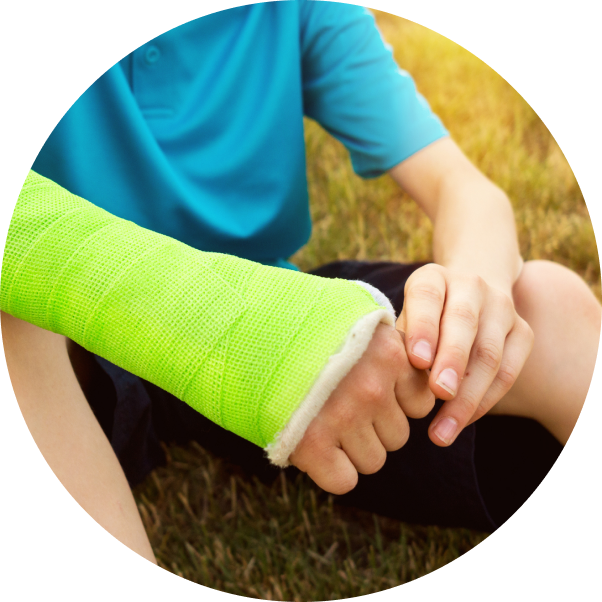

Upper or lower limb injuries can occur suddenly and without warning. A simple trip, sporting accident, fall from height or motor vehicle accident can result in significant pain, swelling and difficulty walking.
Some fractures are straightforward and can be managed with a moon boot, arm or leg cast, or a brace. Others are more complex and may require surgery to restore the correct alignment of the bones and help the injury heal properly.
Dr Di Nallo provides assessment and treatment for a wide range of fractures and traumatic injuries. He understands that these injuries can be stressful and disruptive, particularly when patients are unable to work, drive, exercise or remain independent.
As with all aspects of his practice, Dr Di Nallo takes a thoughtful and patient-first approach. He carefully assesses the severity of the injury and recommends the least invasive treatment that will provide the best long-term result.
When Does a Fracture Need Treatment?
Fractures can vary from minor cracks in the bone through to more severe injuries involving displacement, joint damage or soft tissue injury.
Patients may require urgent assessment if they experience:
- Severe pain
- Swelling
- Bruising
- Inability to bear weight
- Deformity
- Instability
- Numbness
- Tingling
- Open wounds
- Difficulty moving the limb
Prompt diagnosis and treatment are important because poorly healed fractures can lead to:
- Chronic pain
- Arthritis
- Instability
- Loss of movement
- Deformity
- Difficulty walking
Conditions Treated
Wrist Fractures
Wrist fractures are among the most common fractures treated in orthopaedics and often occur after a fall onto an outstretched hand.
These injuries can range from small stable fractures through to more complex injuries involving displacement, joint damage or multiple broken bones.
Common symptoms include:
- Pain
- Swelling
- Bruising
- Difficulty moving the wrist
- Reduced grip strength
- Visible deformity
Some wrist fractures can be treated successfully in a cast or brace, while others require surgery to restore the normal alignment of the joint and reduce the risk of long-term stiffness or arthritis.
Prompt assessment is important, particularly when the fracture involves the joint surface or significant displacement.
Hand Fractures
Hand fractures can affect the metacarpals, fingers or small joints of the hand.
These injuries commonly occur during:
- Falls
- Sporting injuries
- Workplace accidents
- Crush injuries
- Direct impact
Symptoms may include:
- Pain
- Swelling
- Bruising
- Finger deformity
- Reduced hand function
- Difficulty gripping or lifting objects
Because the hand contains many small joints and tendons, accurate alignment during healing is important to preserve movement and function.
Treatment may involve:
- Splinting
- Casting
- Buddy strapping
- Physiotherapy
- Surgery with pins, plates or screws
The most appropriate treatment depends on the location of the fracture, the stability of the bones and whether the joint surface is involved.
Forearm Fractures
The forearm contains two bones – the radius and ulna – which work together to allow rotation and movement of the wrist and elbow.
Forearm fractures may occur after:
- Falls
- Sporting injuries
- Motor vehicle accidents
- High-impact trauma
These injuries can affect one or both bones and may involve the wrist or elbow joints as well.
Symptoms commonly include:
- Severe pain
- Swelling
- Deformity
- Difficulty rotating the arm
- Reduced grip strength
- Inability to bear weight through the arm
Some forearm fractures can be managed in a cast, while more complex or displaced fractures may require surgery to restore alignment and function.
Careful treatment is important because poor healing can affect arm rotation, wrist movement and long-term strength.
Knee Fractures
Fractures around the knee may involve:
- The kneecap
- The lower end of the femur
- The upper end of the tibia
- The joint surface
These injuries may occur after falls, sporting injuries or motor vehicle accidents.
Symptoms can include:
- Severe pain
- Swelling
- Difficulty walking
- Inability to straighten the knee
Instability
Some fractures can be treated in a brace, while more severe fractures may require surgery.
Tibia and Fibula Fractures
The tibia and fibula are the two bones in the lower leg.
Fractures may occur after:
- Sporting injuries
- Falls
- Twisting injuries
- High-impact trauma
Depending on the severity of the fracture, treatment may involve:
- A cast
- A moon boot
- Crutches
- Surgery with plates, screws or rods
Ankle Fractures
Ankle fractures are common and can occur after a simple twisting injury or more significant trauma.
Symptoms often include:
- Pain
- Swelling
- Bruising
- Difficulty walking
- Instability
Some ankle fractures are stable and can heal in a moon boot, while others require surgery to restore alignment.
Foot Fractures
Foot fractures can involve the heel, midfoot, forefoot or toes.
These injuries may occur after:
- Falls
- Sporting injuries
- Heavy objects landing on the foot
- Twisting injuries
Prompt treatment is important because fractures affecting the joints of the foot can lead to long-term stiffness and arthritis if not managed correctly.
Stress Fractures
Stress fractures are small cracks in the bone caused by repetitive loading rather than a single traumatic event.
They are more common in:
- Runners
- Athletes
- Military personnel
- People with sudden increases in activity
Stress fractures often affect the shin, foot or ankle and may cause pain that worsens with exercise.
Tendon Injuries
Trauma can also affect the tendons around the knee, ankle and foot.
Common tendon injuries include:
- Achilles tendon rupture
- Patellar tendon injury
- Tendon tears around the ankle
- Tendon lacerations
Some tendon injuries can be treated conservatively, while others require surgery.
Ligament Injuries
Trauma often involves damage to the ligaments as well as the bones.
Examples include:
- ACL injuries
- PCL injuries
- Ankle ligament injuries
- Multi-ligament knee injuries
These injuries may occur alongside fractures and can contribute to long-term instability if left untreated.

Conservative Treatment Before Surgery
Not all fractures require surgery.
Many fractures can heal successfully with non-surgical treatment, including:
- A moon boot
- A cast
- Bracing
- Crutches
- Rest
- Elevation
- Ice
- Physiotherapy
The most appropriate treatment depends on:
- The location of the fracture
- Whether the bones are displaced
- Whether the joint surface is involved
- The age and activity level of the patient
- The presence of associated ligament or tendon injuries
Surgical Treatment for Fractures
Surgery may be required when:
- The bones are badly displaced
- The fracture involves the joint
- The fracture is unstable
- The injury is open
- There are multiple fractures
- There is associated tendon or ligament damage
Surgical treatment may involve:
- Plates and screws
- Rods
- Pins
- Joint reconstruction
- Tendon repair
- Ligament reconstruction
The aim of surgery is to restore alignment, stability and function while reducing the risk of long-term complications.
Recovery After Fracture Treatment
Recovery depends on the location and severity of the injury.
Patients may require:
- A moon boot or cast
- Crutches
- Limited weight-bearing
- Physiotherapy / hand therapy for upper-limb injuries
- Rehabilitation exercises
- Gradual return to walking
- Strengthening
Some fractures heal within a few weeks, while more severe injuries may take several months.
What to Expect During Your Treatment
Dr Di Nallo will attend to your fracture with urgency and ensure you are supported throughout the entire process.
- Initial Assessment: Dr Di Nallo will assess the injury, examine the affected area and review any imaging.
- Imaging: X-rays are often used to diagnose fractures, while CT scans or MRI scans may be required for more complex injuries.
- Treatment Planning: Dr Di Nallo will explain whether the injury can be treated conservatively or whether surgery is recommended.
- Rehabilitation: Physiotherapy is often important after a fracture to restore movement, strength and balance.

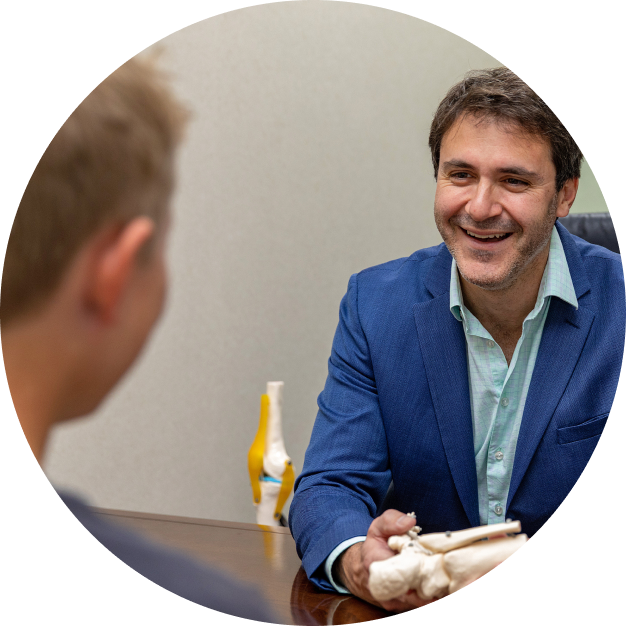
Why Choose Dr Di Nallo for Trauma and Fracture Management?
Dr Di Nallo understands that fractures and traumatic injuries can be frightening and disruptive.
He is known for his approachable, down-to-earth manner and takes the time to explain the injury and treatment options clearly. He believes in providing honest advice and recommending the least invasive treatment that will deliver the best long-term outcome.
Whether you have sustained a knee fracture, ankle fracture, foot injury or tendon rupture, Dr Di Nallo provides comprehensive trauma and fracture care for patients with a focus on quality clinical outcomes.