PRP Injections
Non-Surgical Treatment for Joint Pain, Tendon Injuries and Early Arthritis
Platelet-rich plasma (PRP) injections in Bowral, Goulburn and Campbelltown – helping patients manage knee pain, tendon injuries, sports injuries and early arthritis without surgery.


Many patients with joint pain or tendon injuries want to avoid surgery if possible. In some cases, symptoms can improve with physiotherapy, activity modification, medication and strengthening exercises. For others, biologic treatments such as PRP injections may provide another non-surgical option.
PRP stands for platelet-rich plasma. It is made using a sample of the patient’s own blood, which is processed to concentrate the platelets and growth factors believed to support healing.
Dr Di Nallo offers PRP injections for selected patients with knee, foot and ankle conditions. As with all aspects of his practice, he takes a conservative approach and only recommends PRP where there is a reasonable chance it may provide benefit.
What Are PRP Injections?
PRP injections use a small sample of the patient’s blood.
The blood is placed in a centrifuge, which separates and concentrates the platelets. These platelets contain growth factors that may help stimulate healing and reduce inflammation in damaged tissue.
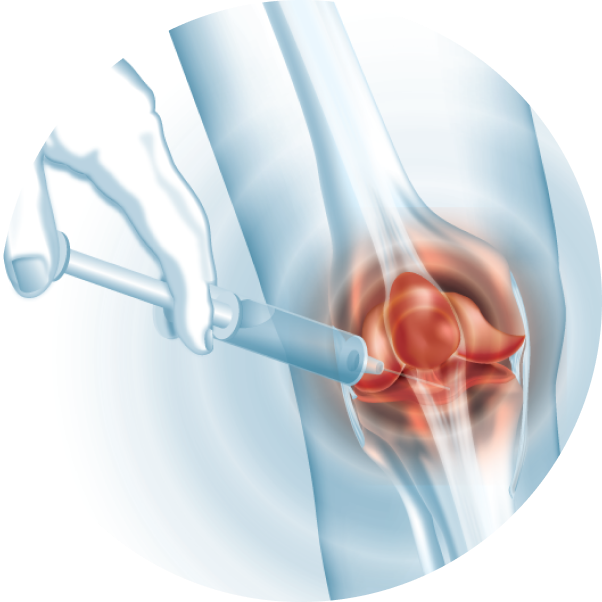
The concentrated PRP is then injected into the affected area.
Because PRP is made from the patient’s own blood, there is little risk of allergic reaction or rejection.
PRP is most commonly used for:
- Early arthritis
- Tendon injuries
- Ligament injuries
- Sports injuries
- Chronic inflammation
- Cartilage injuries
It is important to understand that PRP is not a cure for arthritis or severe structural damage, but it may help reduce pain and improve function in selected patients.
Conditions Treated
Knee Arthritis
PRP injections are commonly used in patients with mild to moderate knee arthritis.
They may help reduce:
- Pain
- Swelling
- Stiffness
- Difficulty walking
- Symptoms during exercise
PRP is generally more effective in the earlier stages of arthritis before there is severe joint damage.
Early Knee Degeneration
Some patients experience early cartilage wear and degeneration in the knee without advanced arthritis.
These patients may notice:
- Pain after activity
- Swelling
- Stiffness
- Reduced confidence with sport or exercise
PRP may help improve symptoms and delay the need for more invasive treatment.
Tendon Injuries
PRP is sometimes used for tendon injuries that have not improved with physiotherapy and rest.
Dr Di Nallo may consider PRP for:
- Achilles tendon problems
- Patellar tendinopathy
- Chronic tendon pain
- Partial tendon tears
Achilles Tendinopathy
Achilles tendinopathy causes pain and stiffness at the back of the heel and lower calf.
Patients often notice:
- Pain when walking
- Stiffness first thing in the morning
- Pain during sport
- Tenderness along the tendon
PRP may be considered when symptoms persist despite physiotherapy and activity modification.
Plantar Fasciitis
Plantar fasciitis is one of the most common causes of heel pain.
PRP injections may be used for patients with persistent symptoms who have not responded to:
- Stretching
- Orthotics
- Supportive footwear
- Physiotherapy
- Anti-inflammatory medication
- Shockwave therapy
Ankle Arthritis
PRP injections may help some patients with mild ankle arthritis by reducing pain and inflammation.
Patients with severe arthritis may require other treatments, including surgery.
Sports Injuries
Many sports injuries involve inflammation or damage to tendons, ligaments and cartilage.
PRP may be suitable for selected patients with:
- Knee injuries
- Ankle injuries
- Tendon injuries
- Muscle injuries
- Ligament injuries
Cartilage Injuries
PRP is sometimes used in patients with cartilage injuries affecting the knee or ankle.
While it cannot regrow large areas of lost cartilage, it may help reduce symptoms and support joint health.
Patellar Tendinopathy
Patellar tendinopathy, sometimes called jumper’s knee, causes pain at the front of the knee just below the kneecap.
It is common in running and jumping sports and may become chronic if not treated properly.
PRP may be considered when symptoms continue despite rehabilitation.
Tennis Leg and Calf Muscle Injuries
Tennis leg refers to a tear or strain of the calf muscle.
Patients may experience:
- Sudden pain
- Swelling
- Difficulty walking
- Bruising
PRP may be used in selected cases to support recovery.
Benefits of PRP Injections
Potential benefits of PRP may include:
- Reduced pain
- Improved function
- Less inflammation
- Avoiding or delaying surgery
- Faster recovery from injury
- Use of the patient’s own blood
- Minimal downtime
However, results can vary from person to person and not all patients will benefit.
What to Expect During Treatment
PRP injections are usually performed in the clinic.
The process generally involves:
- Taking a small blood sample
- Processing the blood in a centrifuge
- Preparing the PRP
- Injecting the PRP into the affected area
Most patients can return home shortly afterwards.
Some temporary discomfort or swelling may occur for a few days after the injection.
Why Choose Dr Di Nallo for PRP Injections?
Dr Di Nallo understands that many patients want to avoid surgery where possible.
He takes the time to carefully assess whether PRP is appropriate and only recommends it when it may provide meaningful benefit. His approach is always honest, evidence-based and focused on helping patients achieve the best long-term outcome.
Whether you are dealing with knee arthritis, plantar fasciitis, Achilles pain or a sports injury, Dr Di Nallo provides comprehensive PRP treatment for patients with a focus on quality clinical outcomes.