Muscle & Tendon Reconstruction
Expert Care for Tendon Ruptures, Soft Tissue Injuries and Lower Limb Reconstruction
Comprehensive muscle and tendon reconstruction in Bowral and Goulburn – helping patients recover from tendon ruptures, sports injuries and complex soft tissue conditions affecting the knee, leg, ankle and foot.


Tendons play a critical role in movement. They connect muscles to bone and allow us to walk, run, climb stairs, jump and perform everyday activities. When a tendon ruptures or becomes severely damaged, the result can be significant pain, weakness, loss of function and difficulty returning to work, sport or normal daily life.
While many tendon injuries can be treated without surgery, complete ruptures and more severe injuries often require surgical repair or reconstruction to restore strength and function.
Dr Martin Di Nallo provides comprehensive assessment and treatment for a wide range of tendon ruptures and soft tissue injuries affecting the lower limb. He has a particular interest in sports injuries, tendon reconstruction and joint-preserving procedures, and always takes a conservative approach before recommending surgery.
Understanding Tendon Injuries
Tendons are strong bands of connective tissue that transfer force from muscles to bones.
Tendon injuries can occur through:
- Sporting injuries
- Sudden acceleration or jumping
- Falls
- Direct trauma
- Repetitive overuse
- Degenerative tendon changes
- Previous injury
Some tendon injuries develop gradually over months or years, while others occur suddenly during activity.
Common symptoms include:
- Sudden pain
- Weakness
- Swelling
- Bruising
- Loss of function
- Difficulty walking
- Reduced sporting performance
- A popping sensation at the time of injury
The appropriate treatment depends on the tendon involved, the severity of the injury and the patient’s activity level and goals.
Conservative Treatment Before Surgery
Not all tendon injuries require surgery.
Many patients can improve with:
- Physiotherapy
- Strengthening programmes
- Activity modification
- Bracing
- Orthotics
- Anti-inflammatory medication
- PRP injections
- Sports rehabilitation
Dr Di Nallo carefully assesses every injury and only recommends surgery when it is likely to provide a meaningful benefit.
Conditions Treated
Hamstring Tendon Ruptures
The hamstring muscles are located at the back of the thigh and play an important role in walking, running and sporting activity.
Most hamstring injuries involve strains or partial tears. However, in some cases the tendons can completely tear away from the pelvis, resulting in a proximal hamstring avulsion.
Patients may experience:
- Sudden pain in the buttock
- Bruising
- Difficulty walking
- Weakness
- Pain when sitting
- Reduced sporting performance
For complete tendon avulsions or significant tendon retraction, hamstring reattachment surgery may be recommended to restore strength and function.
Quadriceps Tendon Ruptures
The quadriceps tendon connects the thigh muscles to the kneecap and is essential for straightening the knee.
A rupture often occurs during:
- Falls
- Sudden changes in direction
- Sporting injuries
- Heavy loading activities
Patients commonly experience:
- A popping sensation
- Sudden pain
- Swelling
- Inability to straighten the
- knee
- Difficulty walking
Complete quadriceps tendon ruptures usually require surgical repair to restore normal knee function.
Patellar Tendon Ruptures
The patellar tendon connects the kneecap to the shin bone and is a key part of the knee’s extensor mechanism.
Rupture can occur during:
- Jumping sports
- Falls
- Direct trauma
- Sudden forceful contraction of the quadriceps
Symptoms often include:
- Sudden pain
- Inability to straighten the knee
- Swelling
- Difficulty weight-bearing
Prompt surgical repair is often recommended for complete ruptures.
Achilles Tendon Ruptures
The Achilles tendon is the largest tendon in the body and connects the calf muscles to the heel bone.
Achilles ruptures commonly occur in:
- Running sports
- Tennis
- Football
- Basketball
- Recreational athletes
Patients often describe feeling as though they have been kicked in the back of the leg.
Symptoms may include:
- Sudden pain
- Weakness
- Difficulty walking
- Loss of push-off strength
- Swelling and bruising
Both surgical and non-surgical treatment options may be appropriate depending on the injury and individual patient factors.
Anterior Tibial Tendon Ruptures
The anterior tibial tendon helps lift the foot during walking.
Although less common than other tendon injuries, rupture can cause significant disability and may result in:
- Foot drop
- Difficulty walking
- Tripping
- Weakness
- Changes in gait
Surgical repair or reconstruction may be considered in active patients with significant functional
Peroneal Tendon Injuries
The peroneal tendons run along the outside of the ankle and help stabilise the foot during walking and sport.
Peroneal tendon injuries may involve:
- Tendon tears
- Tendon instability
- Tendon dislocation
- Chronic degeneration
Symptoms often include:
- Pain on the outside of the ankle
- Swelling
- Instability
- Difficulty with uneven ground
- Recurrent ankle problems
Treatment depends on the severity of the injury and may involve tendon repair, reconstruction or stabilisation procedures.
Surgical Treatment Options
When surgery is required, the goal is to restore tendon function, improve strength and allow patients to return to normal activity.
Depending on the injury, surgical treatment may involve:
- Direct tendon repair
- Tendon reattachment
- Tendon reconstruction
- Tendon grafting
- Soft tissue reconstruction
- Ligament reconstruction
- Debridement of damaged tissue
The specific procedure is tailored to the individual injury and patient goals.
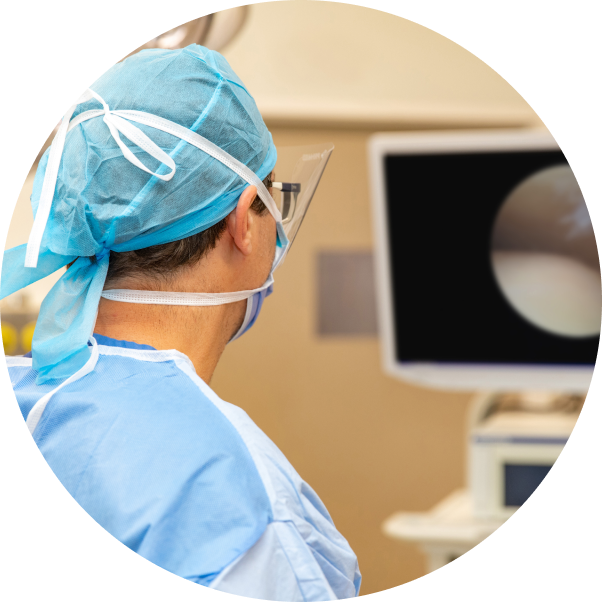
Recovery After Tendon Reconstruction Surgery
Recovery depends on the tendon involved and the extent of the injury.
Patients may require:
- A brace or moon boot
- Crutches
- Restricted weight-bearing
- Physiotherapy
- Strengthening exercises
- Sports-specific rehabilitation
Tendon healing takes time, and recovery often occurs over several months.
Most patients progress through a structured rehabilitation programme designed to restore movement, strength and confidence while protecting the repair.
What To Expect During Your Surgical Journey
Dr Di Nallo believes patients should feel informed, comfortable and supported throughout the entire process.
- Initial Consultation: Dr Di Nallo will assess your symptoms, examine the affected area and review any imaging.
- Imaging: Ultrasound or MRI scans are often used to confirm the diagnosis and assess the severity of the injury.
- Treatment Planning: All appropriate treatment options, including non-surgical and surgical management, will be discussed in detail.
- Surgery: When required, surgery is performed using modern techniques designed to optimise healing and functional recovery.
- Rehabilitation: A structured rehabilitation programme is critical to achieving the best possible outcome after tendon repair or reconstruction.
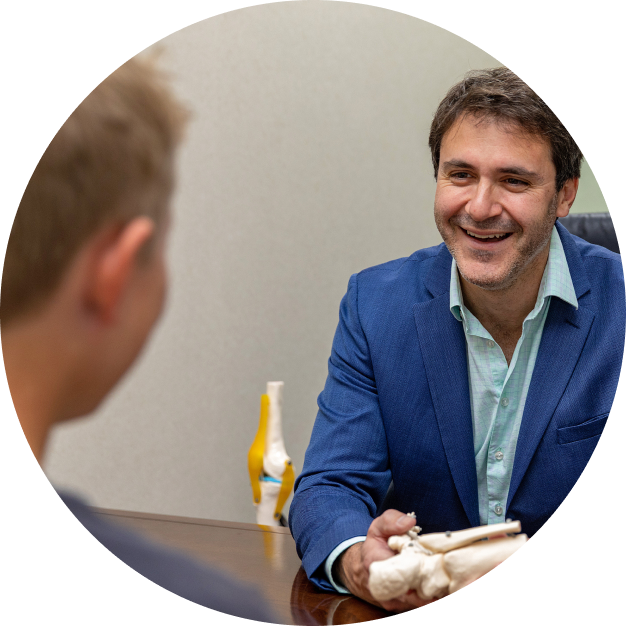
Why Choose Dr Martin Di Nallo for Muscle and Tendon Reconstruction?
Dr Di Nallo understands that tendon injuries can have a significant impact on work, sport and everyday life. Whether you are a competitive athlete, a physically active individual or simply want to return to normal daily activities, his focus is on restoring function and helping you regain confidence in your movement.
Known for his approachable and patient-first manner, Dr Di Nallo takes the time to understand your goals and explain all treatment options clearly. He always explores conservative treatment where appropriate and only recommends surgery when it is genuinely in your best interests.
From hamstring and quadriceps tendon ruptures through to Achilles tendon injuries and complex tendon reconstruction, Dr Di Nallo provides comprehensive muscle and tendon reconstruction care for patients across Bowral, Goulburn and the Southern Highlands.