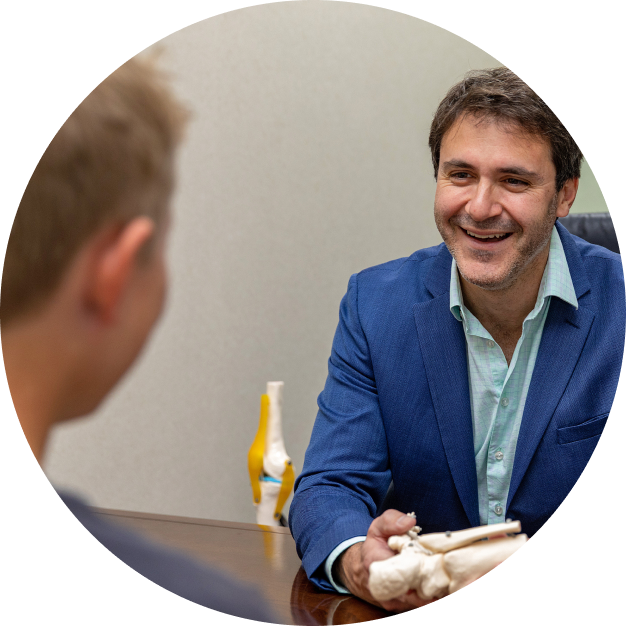
Arthroscopic Ankle Surgery
Minimally Invasive Surgery for Pain, Stiffness and Ankle Injuries
Comprehensive arthroscopic ankle surgery in Bowral, Goulburn and Campbelltown – helping patients manage ankle impingement, loose bodies, cartilage injuries, instability and other painful ankle conditions.
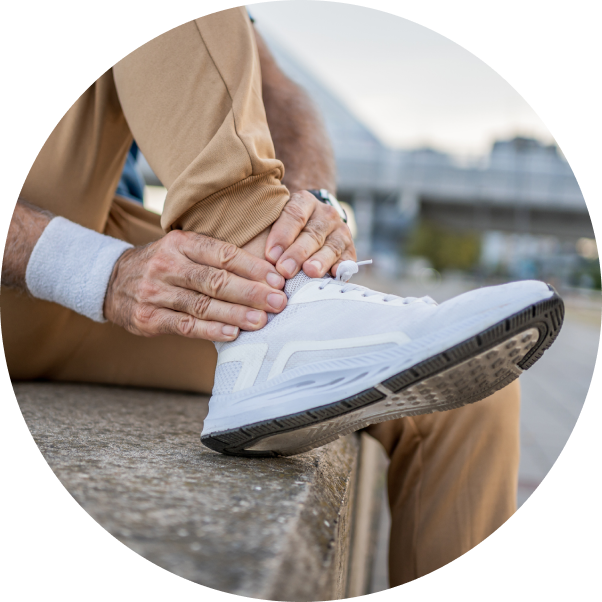

Ankle pain can have a significant impact on daily life. Even simple activities such as walking, climbing stairs, exercising or standing for long periods can become uncomfortable when the ankle is stiff, swollen or unstable.
For many patients, ankle problems develop after sport, repeated sprains, old injuries or wear and tear over time. In some cases, symptoms may settle with physiotherapy, bracing, footwear changes or injections. However, if pain, locking or instability continue despite conservative treatment, arthroscopic ankle surgery may be recommended.
Arthroscopic ankle surgery is a minimally invasive procedure that allows the inside of the ankle joint to be examined and treated using a small camera and specialised instruments inserted through tiny incisions. Dr Di Nallo takes a conservative and patient-first approach, ensuring all non-surgical options are explored before recommending surgery.
What is Arthroscopic Ankle Surgery?
Arthroscopic ankle surgery involves inserting a small camera, known as an arthroscope, into the ankle joint.
The camera allows the surgeon to examine the structures inside the ankle in detail, including:
- Cartilage
- Ligaments
- Bone surfaces
- Tendons
- Synovial lining
- Loose fragments
Additional tiny incisions are used to insert instruments that can remove damaged tissue, repair injuries or treat inflammation.
Compared with open surgery, arthroscopy generally offers:
- Smaller incisions
- Less soft tissue disruption
- Less pain after surgery
- Reduced scarring
- Reduced infection rate
- Faster recovery
- Shorter hospital stay
Most ankle arthroscopy procedures are performed as day surgery, allowing patients to go home on the same day.
When Might Ankle Arthroscopy Be Recommended?
Arthroscopic surgery may be considered when patients have ongoing symptoms that have not improved with conservative treatment.
Common symptoms include:
- Persistent ankle pain
- Swelling
- Locking
- Catching
- Clicking
- Stiffness
- Instability
- Difficulty walking
- Pain during sport or exercise
Many patients first undergo physiotherapy, anti-inflammatory medication, orthotics, bracing or injections before surgery is recommended.

Conditions Treated
Ankle Impingement
Ankle impingement occurs when soft tissue or bone becomes trapped within the ankle joint during movement.
This may happen after repeated ankle sprains, sport or old injuries.
Symptoms can include:
- Pain at the front or back of the ankle
- Reduced movement
- Pain when squatting
- Difficulty running
- Pain during sport
Arthroscopy can be used to remove inflamed tissue or bone spurs contributing to impingement.
Loose Bodies
Loose bodies are small fragments of bone or cartilage floating within the ankle joint.
These fragments can cause:
- Sudden sharp pain
- Locking
- Catching
- Swelling
- Reduced movement
Arthroscopy allows these fragments to be removed through small incisions.
Osteochondral Lesions
Osteochondral lesions involve damage to the cartilage and underlying bone within the ankle joint.
They often occur after ankle sprains or trauma and may cause:
- Persistent pain
- Swelling
- Catching
- Difficulty with sport
- Ongoing symptoms despite physiotherapy
Arthroscopy can be used to assess and treat these lesions.
Cartilage Injuries
Cartilage injuries may develop after trauma, instability or repetitive ankle sprains.
When cartilage becomes damaged, patients may experience:
- Pain
- Swelling
- Clicking
- Locking
- Reduced movement
Arthroscopy can sometimes be used to smooth damaged cartilage or stimulate healing.
Synovitis
It may occur due to:
- Arthritis
- Injury
- Repeated sprains
- Overuse
- Inflammatory conditions
Symptoms often include swelling, stiffness and aching.
Arthroscopy can be used to remove inflamed tissue and improve symptoms.
Ankle Instability
Some patients experience recurrent ankle sprains or a feeling that the ankle repeatedly gives way.
This is often due to stretched or damaged ligaments.
Symptoms may include:
- Repeated sprains
- Weakness
- Instability
- Swelling
- Fear of twisting the ankle
Arthroscopy may be combined with ligament reconstruction or repair procedures to improve stability.
Ligament Injuries
Ligament injuries commonly affect the outside of the ankle after twisting injuries or sport.
Most ligament injuries heal with rehabilitation, but more severe or persistent cases may require surgery.
Conservative Treatment Before Surgery
Dr Di Nallo believes surgery should only be considered after non-surgical treatment has been thoroughly explored.
Depending on the condition, conservative options may include:
- Physiotherapy
- Bracing
- Activity modification
- Anti-inflammatory medication
- Orthotics
- Supportive footwear
- Cortisone injections
- PRP injections
- Strengthening exercises
Many patients improve significantly with these measures and may avoid surgery.
Benefits of Arthroscopic Ankle Surgery
Potential benefits of arthroscopic ankle surgery include:
- Smaller incisions
- Less pain
- Faster recovery
- Reduced scarring
- Improved joint movement
- Better visualisation of the ankle joint
- Earlier return to activity
However, the success of surgery depends on the underlying condition being treated.
Recovery After Arthroscopic Ankle Surgery
Recovery depends on the procedure performed and the severity of the condition.
Patients may require:
- Crutches
- A moon boot
- Physiotherapy
- Swelling management
- Gradual return to walking
- Rehabilitation exercises
Some patients can return to desk work within days, while return to sport may take several weeks or months.
What to Expect During Your Surgical Journey
Dr Di Nallo believes patients should feel informed, comfortable and supported throughout the entire process.
- Initial Consultation: Dr Di Nallo will assess your symptoms, examine the ankle and review your imaging.
- Imaging: X-rays, MRI scans or CT scans may be required to confirm the diagnosis.
- Surgery: Most arthroscopic ankle procedures are performed as day surgery under general anaesthetic.
- Rehabilitation: Rehabilitation is an important part of recovery and helps restore movement, strength and confidence in the ankle.
Why Choose Dr Di Nallo for Arthroscopic Ankle Surgery?
Dr Di Nallo understands that ongoing ankle pain and instability can affect work, exercise and quality of life.
He is known for his friendly, down-to-earth approach and takes the time to explain all treatment options clearly. He always explores conservative treatment first and only recommends surgery when necessary.
When arthroscopy is required, Dr Di Nallo uses modern minimally invasive techniques to help patients recover as quickly and safely as possible.
Whether you have ankle impingement, cartilage damage, loose bodies or recurrent ankle sprains, Dr Di Nallo provides comprehensive arthroscopic ankle surgery care for patients with a focus on quality clinical outcomes.