Bunion Surgery
Relieving Pain, Correcting Deformity and Helping You Walk Comfortably Again
Comprehensive bunion surgery in Bowral, Goulburn and Campbelltown – helping patients manage bunions, big toe arthritis, toe deformities and forefoot pain.
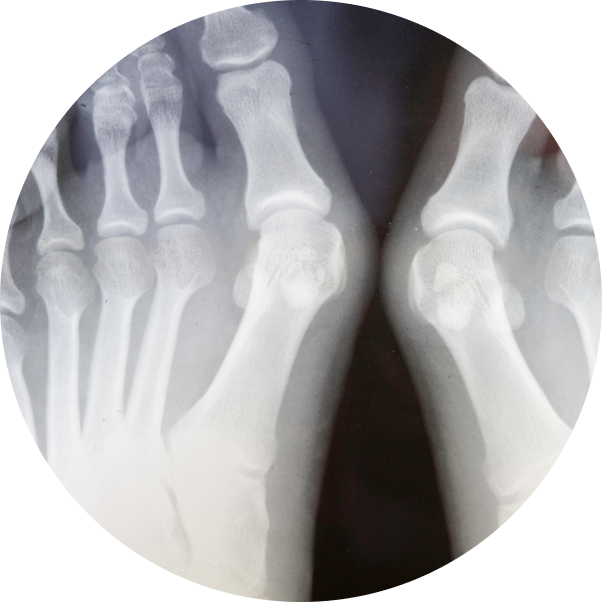

Bunions or Hallux valgus are one of the most common foot problems affecting adults. They occur when the big toe gradually shifts towards the smaller toes, creating a bony prominence on the side of the foot. Over time, this can lead to pain, swelling, difficulty wearing shoes and progressive deformity.
Many patients live with bunions for years before seeking treatment. Initially, symptoms may only occur with tight shoes or long periods of standing. However, as the bunion worsens, pain can become more frequent and the foot may become increasingly difficult to fit into normal footwear.
Dr Di Nallo provides comprehensive assessment and treatment for bunions and other forefoot conditions. He understands that bunions are not only painful but can also affect confidence, comfort and mobility. As with all aspects of his practice, he takes a conservative approach first and will only recommend surgery when non-surgical treatment is no longer providing relief.
What is a Bunion?
A bunion is a deformity affecting the joint at the base of the big toe.
As the big toe drifts inwards towards the second toe, the joint becomes more prominent on the inside of the foot. This prominence can rub against footwear and become painful or inflamed.
Bunions may develop due to:
- Family history
- Foot shape
- Flat feet
- Arthritis
- Ligament laxity
- Poor footwear
- Previous injury
Women are more commonly affected than men, often due to narrower footwear styles and underlying foot shape.
Symptoms of bunions may include:
- Pain around the big toe joint
- Redness and swelling
- Difficulty wearing shoes
- Corns or calluses
- Overlapping toes
- Difficulty walking long distances
- Pain with standing or exercise

Conservative Treatment Before Surgery
Many bunions can initially be managed without surgery.
Dr Di Nallo will often recommend a trial of conservative treatment before considering an operation.
Non-surgical options may include:
- Wider footwear
- Soft leather shoes
- Orthotics
- Padding
- Toe spacers
- Anti-inflammatory medication
- Activity modification
- Ice
These treatments can reduce discomfort, although they do not reverse the bunion deformity itself.
Surgery is usually considered when pain becomes more frequent, footwear becomes difficult or the deformity continues to worsen.
Conditions Treated
Bunions or Hallux Valgus
Bunions are the most common reason patients seek forefoot surgery.
Some bunions remain mild and manageable, while others become severe and lead to significant pain, deformity and difficulty walking.
Dr Di Nallo assesses the severity of the bunion, the degree of arthritis and the position of the surrounding toes before recommending treatment.
Big Toe Arthritis
Arthritis can affect the joint at the base of the big toe, leading to stiffness, swelling and pain.
Patients with big toe arthritis may notice:
- Pain when walking
- Difficulty pushing off the foot
- Stiffness
- Swelling
- Pain with certain shoes
In some patients, arthritis may occur alongside a bunion deformity.
Toe Deformity Correction
Bunions can gradually affect the alignment of the other toes.
Over time, patients may develop:
- Overlapping toes
- Crowded toes
- Lesser toe deformities
- Hammertoes
- Corns and calluses
Correcting the bunion often helps improve the position of the surrounding toes as well.
Revision Bunion Surgery
Some patients have previously undergone bunion surgery but continue to experience pain, recurrence or deformity.
Revision surgery may be considered for:
- Recurrent bunions
- Persistent pain
- Stiffness
- Hardware problems
- Incomplete correction
- Arthritis
Revision bunion surgery is often more complex and requires careful planning.
Forefoot Reconstruction
Patients with severe bunions, multiple toe deformities or longstanding arthritis may require more extensive forefoot reconstruction.
This may involve correction of the bunion alongside procedures on the smaller toes, joints or tendons.
The aim is to improve alignment, reduce pain and restore function across the whole front part of the foot.
Surgical Treatment Options
There are many different bunion surgery techniques, and the most suitable option depends on the severity of the deformity, the presence of arthritis and the overall shape of the foot.
Surgical options may include:
- Realignment of the big toe
- Bone cuts to correct the angle of the toe
- Removal of the bunion prominence
- Joint fusion
- Soft tissue balancing
- Forefoot reconstruction
- Correction of associated toe deformities
The goal of surgery is not simply to remove the bump, but to correct the underlying alignment problem causing the bunion.
What to Expect After Bunion Surgery
Recovery after bunion surgery varies depending on the procedure performed.
Patients often require:
- A protective shoe or boot
- Reduced weight-bearing
- Elevation
- Swelling management
- Gradual return to walking
Swelling can persist for several months, particularly in the forefoot.
Most patients are able to return to comfortable everyday shoes after several weeks, although full recovery may take longer.
Benefits of Bunion Surgery
Potential benefits of bunion surgery include:
- Reduced pain
- Improved foot shape
- Easier shoe fitting
- Better walking comfort
- Reduced pressure on the smaller toes
- Improved confidence
- Prevention of worsening deformity

Why Choose Dr Di Nallo for Bunion Surgery?
Dr Di Nallo understands that bunions can significantly affect comfort, mobility and day-to-day life. He is known for his patient-first approach and takes the time to understand each patient’s symptoms, footwear concerns and treatment goals.
He believes surgery should only be recommended when necessary and always explores non-surgical treatment options first. When surgery is required, he provides thoughtful advice, modern techniques and personalised care throughout the entire process.
Whether you have a painful bunion, big toe arthritis or a more complex forefoot deformity, Dr Di Nallo provides comprehensive bunion surgery care for patients with a focus on quality clinical outcomes.