Arthroscopic Knee Surgery
Minimally Invasive Knee Surgery to Relieve Pain and Restore Movement
Comprehensive arthroscopic knee surgery in Bowral, Goulburn and Campbelltown – helping patients manage meniscus tears, cartilage injuries, loose bodies, inflammation and other conditions affecting the knee joint.
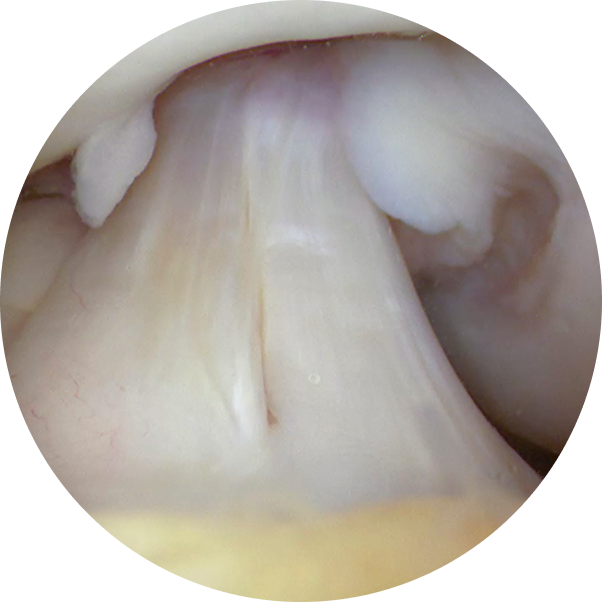

Arthroscopic knee surgery is one of the most common orthopaedic procedures performed in Australia. It is a minimally invasive technique that allows the inside of the knee joint to be examined and treated using a small camera and specialised instruments inserted through tiny incisions.
Compared with traditional open surgery, arthroscopy generally results in smaller scars, less soft tissue disruption and a quicker recovery. It can be used to diagnose and treat a wide range of knee conditions, particularly in patients experiencing pain, swelling, locking, catching or instability.
As with all aspects of his practice, Dr Di Nallo takes a conservative approach and will only recommend surgery when appropriate. Many patients improve with physiotherapy, injections, activity modification and rehabilitation before arthroscopy is considered.
What is Arthroscopic Knee Surgery
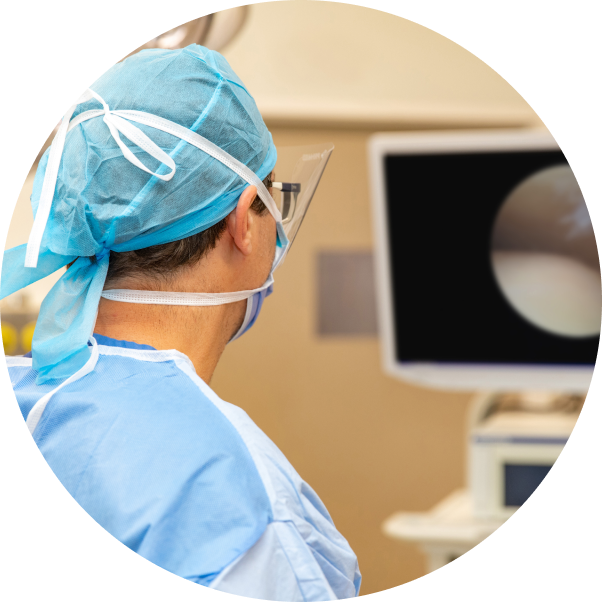
Arthroscopic surgery involves inserting a small camera, known as an arthroscope, into the knee joint through a tiny incision. This camera projects detailed images onto a screen, allowing the surgeon to examine the structures inside the knee.
Additional small incisions are then used to insert instruments that can trim, repair or remove damaged tissue.
Arthroscopic surgery can be used for both diagnosis and treatment of problems involving:
- Meniscus tears
- Cartilage damage
- Loose bodies
- Synovitis
- Plica syndrome
- Patellofemoral problems
- Early arthritis
- Ligament injuries
Most arthroscopic knee procedures are performed as day surgery, meaning patients can usually go home on the same day.
When Might Arthroscopy Be Recommended?
Arthroscopy may be considered when patients have ongoing symptoms that have not improved with non-surgical treatment.
Common symptoms include:
- Knee pain
- Swelling
- Locking
- Catching
- Clicking
- Instability
- Reduced movement
- Difficulty squatting
- Pain with sport or exercise
Many patients first undergo physiotherapy, anti-inflammatory medication, injections or rehabilitation before surgery is recommended.
Conditions Treated
Meniscus Tears
The meniscus is a shock-absorbing cartilage that sits between the thigh bone and shin bone. Meniscus tears are one of the most common reasons for arthroscopic knee surgery.
Tears may occur suddenly during twisting or sport, or gradually as part of age-related degeneration.
Symptoms can include:
- Pain along the joint line
- Swelling
- Clicking
- Locking
- Difficulty squatting
- A feeling that the knee catches
Depending on the type of tear, treatment may involve meniscus repair or trimming of the damaged section.
Loose Bodies
Loose bodies are small fragments of cartilage or bone that float within the knee joint.
These fragments may develop due to arthritis, injury or cartilage damage and can cause:
- Sudden sharp pain
- Locking
- Catching
- Swelling
- Restricted movement
Arthroscopy allows these loose fragments to be removed through small incisions.
Cartilage Damage
Cartilage injuries can develop after trauma, sport, instability or gradual wear and tear.
Cartilage damage may cause:
- Pain
- Swelling
- Clicking
- Reduced movement
- Difficulty with stairs or exercise
Arthroscopy can help assess the severity of the injury and determine whether cartilage smoothing, microfracture or other procedures may be beneficial.
Synovitis
Synovitis is inflammation of the lining of the knee joint.
- It may occur due to:
- Arthritis
- Injury
- Overuse
- Inflammatory conditions
Patients often notice swelling, aching and stiffness. Arthroscopy can sometimes be used to remove inflamed tissue and reduce symptoms.
Plica Syndrome
A plica is a fold in the lining of the knee joint. In some people, this tissue becomes irritated and inflamed, causing pain around the kneecap.
Symptoms may include:
- Clicking
- Catching
- Pain with stairs
- Discomfort with squatting
- Tenderness at the front of the knee
If symptoms do not improve with physiotherapy and anti-inflammatory treatment, arthroscopy may be recommended.
Patellofemoral Problems
Patellofemoral problems affect the kneecap and the groove it moves within.
These issues can lead to:
- Pain at the front of the knee
- Clicking
- Grinding
- Instability
- Pain with stairs or squatting
Arthroscopy can be used to assess cartilage wear, inflammation or maltracking around the kneecap.
Conservative Treatment Before Arthroscopy
Dr Di Nallo believes surgery should only be considered after reasonable non-surgical treatment has been explored.
Depending on the condition, non-operative options may include:
- Physiotherapy
- Strengthening exercises
- Activity modification
- Anti-inflammatory medication
- Bracing
- Cortisone injections
- PRP injections
- Weight management
- Hydrotherapy
Some patients improve significantly with these measures and may not require surgery.
Meniscus Surgery
Meniscus Repair
Where possible, Dr Di Nallo aims to repair the meniscus rather than remove it. Preserving healthy meniscal tissue is important because the meniscus helps protect the knee from arthritis.
Meniscus repair is generally more suitable for:
- Younger patients
- Fresh tears
- Tears in areas with good blood supply
- Larger tears
Recovery after repair is usually slower because the meniscus needs time to heal.
Meniscus Trimming
Some tears are not suitable for repair because they are too worn, too small or occur in areas with poor healing potential.
In these cases, the torn section can be trimmed and smoothed to reduce pain and locking symptoms.
Benefits of Arthroscopic Knee Surgery
Potential benefits of arthroscopic surgery include:
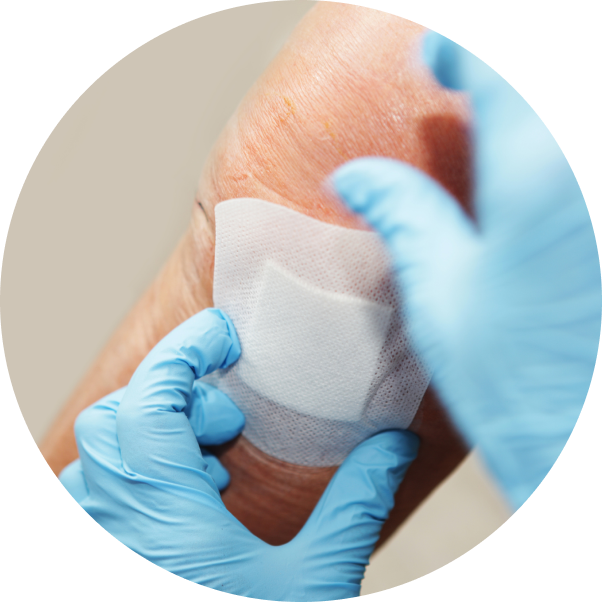
- Smaller incisions
- Less pain after surgery
- Reduced scarring
- Quicker recovery
- Lower infection risk
- Short hospital stay
- Earlier return to work and activity
However, it is important to understand that not all knee pain is improved by arthroscopy. In patients with advanced arthritis, knee replacement may sometimes be a more appropriate option.
Recovery After Arthroscopic Knee Surgery
Recovery depends on the procedure performed and the underlying condition being treated.
For many patients:
- Walking begins on the day of surgery
- Crutches may only be needed for a short time
- Return to desk work may occur within a few days
- Driving may resume within one to two weeks
- Return to sport may take several weeks or months
Physiotherapy is often recommended to restore strength, movement and confidence in the knee.
What to Expect During Your Surgical Journey
Dr Di Nallo believes patients should feel informed, comfortable and supported throughout the entire process.
- Initial Consultation: Your first appointment involves a detailed discussion about your symptoms, activity level and treatment goals.
- Imaging: X-rays or MRI scans are often used to assess the knee before surgery.
- Surgery: Most arthroscopic procedures are performed as day surgery under general anaesthetic.
- Rehabilitation: A rehabilitation plan is provided after surgery to support recovery and help patients return to normal activity safely.

Why Choose Dr Di Nallo for Arthroscopic Knee Surgery?
Dr Di Nallo is known for his thoughtful, conservative and patient-first approach. He understands that not every patient with knee pain needs surgery and takes the time to explore all appropriate non-surgical options first.
When arthroscopy is recommended, patients can feel reassured that they are receiving personalised care from a surgeon who values careful assessment, clear communication and long-term outcomes.
Whether you have a meniscus tear, cartilage injury, locking knee or persistent swelling, Dr Di Nallo provides comprehensive arthroscopic knee surgery care for patients with a focus on quality clinical outcomes.