Knee Reconstruction Surgery
Restoring Stability, Protecting Your Knee for the Future
Comprehensive knee reconstruction surgery in Bowral, Goulburn and Campbelltown – from ACL and PCL reconstruction through to meniscus repair, cartilage restoration and treatment of complex ligament injuries.
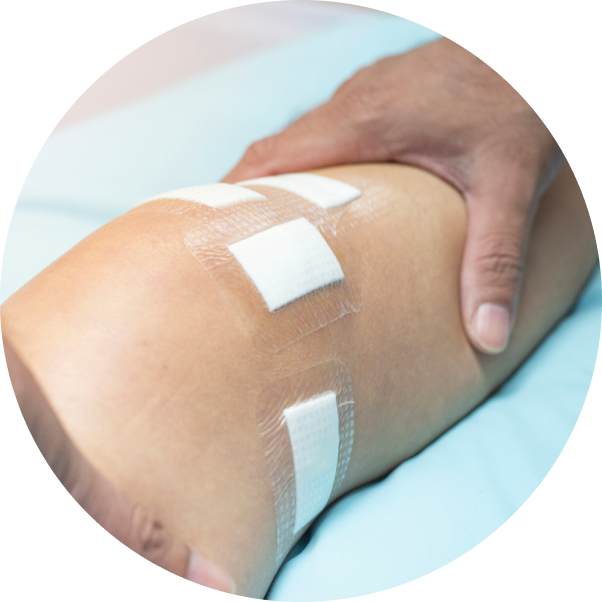
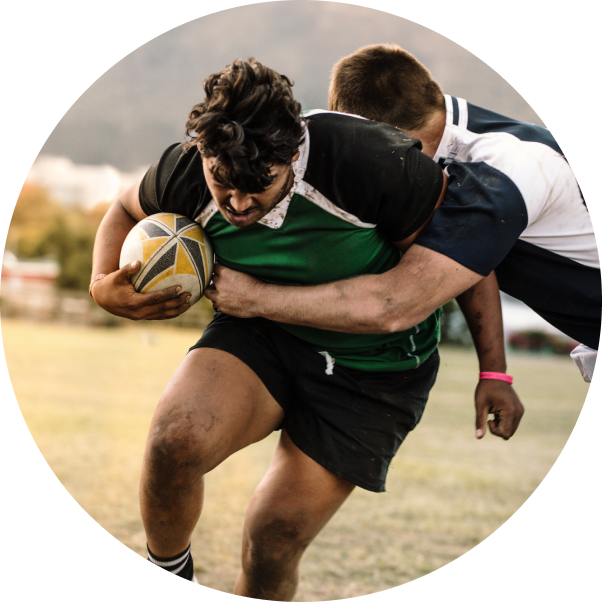
Knee injuries can be painful, frustrating and highly disruptive to everyday life. For some people, they can mean giving up sport or exercise. For others, it creates ongoing instability, difficulty walking or a constant fear that the knee may buckle or give way.
In many cases, knee injuries occur suddenly during sport, workplace accidents, or a fall. In other patients, the damage may build gradually over time through repeated strain, old injuries or degeneration of the cartilage and meniscus.
Dr Di Nallo provides comprehensive care for a wide range of knee injuries and reconstructive procedures. He understands that every patient has different goals – whether that is returning to competitive sport, remaining active with family, getting back to work, or simply walking without pain or instability.
Dr Di Nallo takes a careful and conservative approach. Surgery is not always necessary, and many patients improve with physiotherapy, rehabilitation and activity modification. When reconstruction is needed, he takes the time to explain all options clearly and develop a treatment plan tailored to the individual.
Understanding Knee Instability & Injury
The knee is a complex joint made up of bones, cartilage, ligaments, tendons and muscles that work together to provide both movement and stability.
The major ligaments of the knee include:
- Anterior cruciate ligament (ACL)
- Posterior cruciate ligament (PCL)
- Medial collateral ligament (MCL)
- Lateral collateral ligament (LCL)
The knee also contains two menisci, which are shock-absorbing cartilage structures that sit between the bones, as well as smooth articular cartilage that lines the joint surfaces.
When one or more of these structures becomes damaged, patients may experience:
- Pain
- Swelling
- Locking or catching
- A feeling of instability
- Difficulty walking or running
- Reduced confidence in the knee
- Loss of movement
- Difficulty with twisting or pivoting activities
ACL injuries alone affect thousands of Australians every year, particularly in sports such as football, rugby, netball, basketball and skiing. Meniscus tears are also extremely common and can occur in both younger athletes and older adults.
Without appropriate treatment, some knee injuries can lead to ongoing instability, further cartilage damage and early arthritis.
Conditions Treated
Dr Di Nallo manages a broad range of knee injuries and reconstructive problems.
ACL Injuries
The anterior cruciate ligament is one of the main stabilising ligaments of the knee. ACL injuries often occur during sudden twisting, pivoting or landing movements.
Patients commonly describe:
- A popping sensation
- Immediate swelling
- Instability
- Difficulty returning to sport
- The knee giving way
Some patients can manage without surgery, particularly if they are less active. However, younger and more active patients often require reconstruction to restore knee stability.
PCL Injuries
The posterior cruciate ligament sits at the back of the knee and prevents the shin bone from moving too far backwards.
PCL injuries are less common than ACL tears and often occur due to:
- Car accidents
- Falls
- Sporting collisions
- Direct blows to the front of the knee
Some PCL injuries can be treated without surgery, while more severe or persistent cases may require reconstruction.
Multi-Ligament Knee Injuries
Multi-ligament injuries occur when more than one ligament in the knee is damaged. These are serious injuries that can develop after major trauma, knee dislocation or high-impact sport.
Patients often have:
- Significant swelling
- Severe instability
- Difficulty bearing weight
- Associated nerve or blood vessel injuries
- Damage to cartilage or bone
These injuries often require careful planning and may involve staged surgery.
Meniscus Tears
The meniscus is a shock-absorbing cartilage within the knee. Meniscus tears can occur suddenly during sport or develop gradually with age and degeneration.
Symptoms may include:
- Pain
- Swelling
- Clicking
- Locking
- Difficulty squatting
- Reduced movement
Where possible, Dr Di Nallo aims to preserve the meniscus because maintaining healthy cartilage can help protect the knee from future arthritis.
Cartilage Injuries
Cartilage damage can occur due to trauma, instability, sport or long-term wear. Younger patients with cartilage injuries often experience pain, swelling and mechanical symptoms during activity.
If left untreated, cartilage damage can gradually worsen and contribute to arthritis over time.
Patella Instability
Patella instability occurs when the kneecap partially or completely slips out of place.
This may happen due to:
- Sporting injuries
- Abnormal anatomy
- Ligament laxity
- Previous dislocation
- Muscle imbalance
Patients often experience pain, swelling, apprehension and a feeling that the kneecap may move out of place again.
Sports Injuries
Sport places significant demand on the knee, particularly activities involving jumping, twisting, pivoting or contact.
Dr Di Nallo commonly treats knee injuries related to:
- Football
- Rugby
- Netball
- Basketball
- Cricket
- Skiing
- Running
- Cycling
- Gymnastics
Knee Fractures and Trauma
Traumatic knee injuries may involve fractures around the kneecap, femur or tibia, often combined with ligament or cartilage damage.
Prompt treatment is important to restore alignment, movement and stability.
Conservative Treatment Before Surgery
Not all knee injuries require surgery.
Dr Di Nallo takes a measured and evidence-based approach to treatment. Many patients can improve significantly with a well-structured rehabilitation programme.
Conservative treatment options may include:
- Physiotherapy
- Strengthening exercises
- Activity modification
- Bracing
- Anti-inflammatory medication
- PRP injections
- Cortisone injections
- Sports rehabilitation
- Hydrotherapy
- Gait retraining
For some injuries, especially minor ligament sprains, small meniscus tears or first-time patella dislocations, non-surgical treatment may be very effective.
However, surgery may be recommended when:
- The knee remains unstable
- Symptoms are limiting daily life or sport
- There is repeated giving way
- There is locking or catching
- Important structures are severely damaged
- There is risk of further cartilage injury

Knee Reconstruction Procedures
ACL Reconstruction
What is ACL Reconstruction?
ACL reconstruction involves replacing the torn ligament with a graft, usually taken from the patient’s own hamstring tendon, patella tendon or quadriceps tendon.
The aim of surgery is to:
- Restore knee stability
- Reduce giving way
- Protect the cartilage and meniscus
- Improve confidence during movement
- Allow return to sport
ACL reconstruction is commonly performed arthroscopically through small incisions.
Recovery After ACL Reconstruction
Recovery from ACL reconstruction is gradual and requires commitment to physiotherapy.
General recovery milestones include:
- Walking without crutches by two to four weeks
- Light jogging by three months
- Non-contact sport by six months
- Return to competitive sport around nine to twelve months
PCL Reconstruction
PCL reconstruction may be recommended when the ligament is completely torn and the knee remains unstable despite rehabilitation.
The procedure is similar to ACL reconstruction but can be more technically demanding because of the location of the ligament.
Recovery may take longer than ACL surgery, particularly in patients with more severe injuries.
Meniscus Repair
Preserving the Knee Where Possible
The meniscus plays an important role in absorbing shock and protecting the joint surface.
Where possible, Dr Di Nallo aims to repair the meniscus rather than remove it. Preserving healthy meniscal tissue can reduce the risk of arthritis in the future.
Not all tears can be repaired. Some tears are too large, too complex or occur in areas with poor blood supply. In these cases, trimming the damaged section may be necessary.
Cartilage Reconstruction
Cartilage injuries can be challenging because cartilage has a limited ability to heal on its own.
Cartilage reconstruction procedures may be used in selected patients to improve symptoms and preserve the knee joint.
Depending on the injury, options may include:
- Microfracture
- Cartilage grafting
- Osteochondral procedures
- Biological treatments
These procedures are generally considered in younger patients with localised cartilage damage.
Patella Stabilisation Surgery
Patients with recurrent kneecap dislocation may benefit from surgery to improve stability.
This may involve:
- Ligament reconstruction
- Realignment procedures
- Bone reshaping
- Soft tissue balancing
The goal is to reduce the risk of future dislocations and improve confidence during movement and sport.
Arthroscopic Techniques in Knee Reconstruction
Many reconstructive knee procedures can now be performed using minimally invasive arthroscopic techniques.
Advantages of arthroscopy may include:
- Smaller incisions
- Less soft tissue damage
- Reduced pain
- Faster recovery
- Lower infection risk
- Improved visualisation inside the joint
Dr Di Nallo uses modern arthroscopic techniques wherever appropriate to improve patient recovery and outcomes.
Recovery & Rehabilitation
Recovery after knee reconstruction surgery depends on the type of injury and procedure performed.
Most patients require a period of:
- Physiotherapy
- Strengthening
- Range of movement exercises
- Gradual return to walking
- Balance retraining
- Sport-specific rehabilitation
Patients should expect recovery to take several months, particularly for ligament reconstruction surgery.
Dr Di Nallo works closely with physiotherapists and rehabilitation providers to ensure patients are supported throughout the recovery process.
What to Expect During Your Surgical Journey
Dr Di Nallo believes patients should feel informed, comfortable and supported throughout the entire process.
- Initial Consultation: Your first consultation involves a detailed discussion about how the injury occurred, your symptoms, activity level and goals.
- Imaging & Diagnosis: Imaging such as X-rays or MRI scans may be used to confirm the diagnosis and assess the severity of the injury.
- Treatment Planning: Dr Di Nallo will explain all appropriate treatment options, including both surgical and non-surgical management.
- Surgery: If surgery is required, the procedure is performed in an accredited hospital using modern techniques and equipment.
- Rehabilitation: Rehabilitation is a critical part of recovery. A structured physiotherapy programme is essential for regaining strength, movement and confidence.
Why Choose Dr Di Nallo for Knee Reconstruction Surgery?
Dr Di Nallo understands that knee injuries can affect every aspect of life, from work and family activities through to sport and exercise.
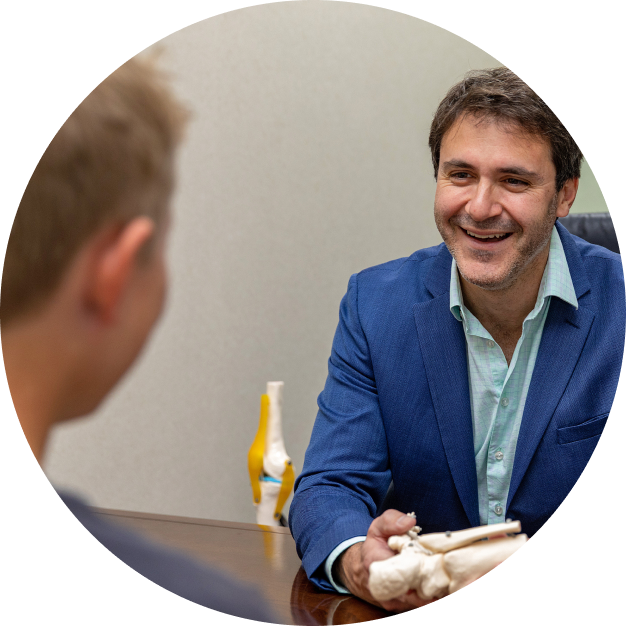
He is known for his thoughtful, patient-first approach and takes the time to listen carefully to each patient’s concerns and goals. Consultations are never rushed, and every effort is made to explore non-surgical treatment where appropriate.
When surgery is required, Dr Di Nallo provides clear advice, modern techniques and personalised care from the first consultation through to recovery.
Whether you have torn your ACL, damaged your meniscus, experienced kneecap instability or suffered a more complex injury, Dr Di Nallo provides comprehensive knee reconstruction care for patients with a focus on quality clinical outcomes.